Beginner's Guide 1. Items Prohibited From Entering Canada
Hello everyone Hello everyone AWork Study Abroad here :) In our last post, we shared that the COVID-related restrictions in place when entering Canada have
Free Consultation3 min read / Published: 2026-03-11

Hello everyone
Hello everyone
AWork Study Abroad here :)
In our last post, we shared that
the COVID-related restrictions in place when entering Canada have been completely lifted.
With this long-awaited opportunity, quite a few of you
are also getting ready to visit Canada for overseas travel, language study, and more.
So in today's post, for everyone about to depart for Canada,
we're going to cover what you absolutely need to know before you leave —
Canada's customs declaration requirements and prohibited items.
< Items You Must Declare at Canadian Customs >
If you're carrying any of the items listed below,
you must declare them to customs without exception.
If you're caught not declaring them,
you could face a fine of more than $1,300.
1. Alcohol
If you're at or above the legal drinking age set by the Canadian province or territory,
you can bring in alcohol within the allowed amount.
However, exceeding this limit is prohibited.
Allowed alcohol amount per adult
- Wine 1.5L
- Other liquor 1.14L
- Beer/ale 8.5L
You may only bring in one of the three options above.
2. Tobacco
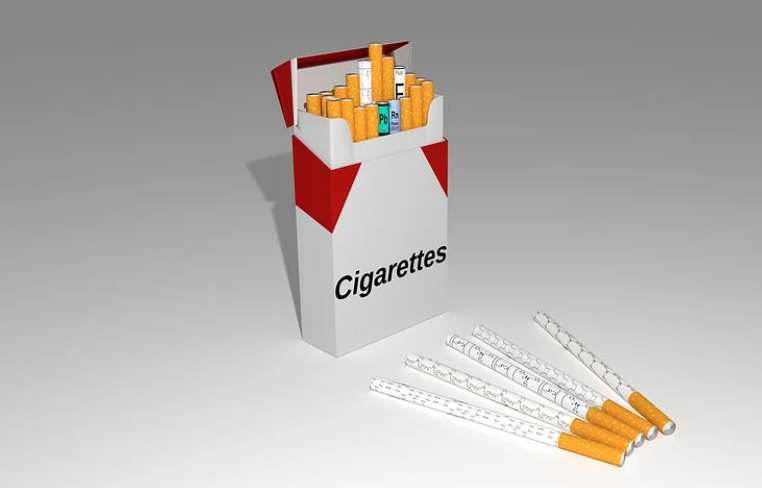
- 200 cigarettes per adult
- 50 cigars
- 200g of tobacco
- 200 tobacco sticks
Again, only one of these options is allowed.
3. CAN $10,000 or more in currency
4. Gifts worth CAN $60 or more
Please note that alcohol, tobacco, and advertising items are not treated as gifts.
< Items Prohibited From Entering Canada >
1. Food
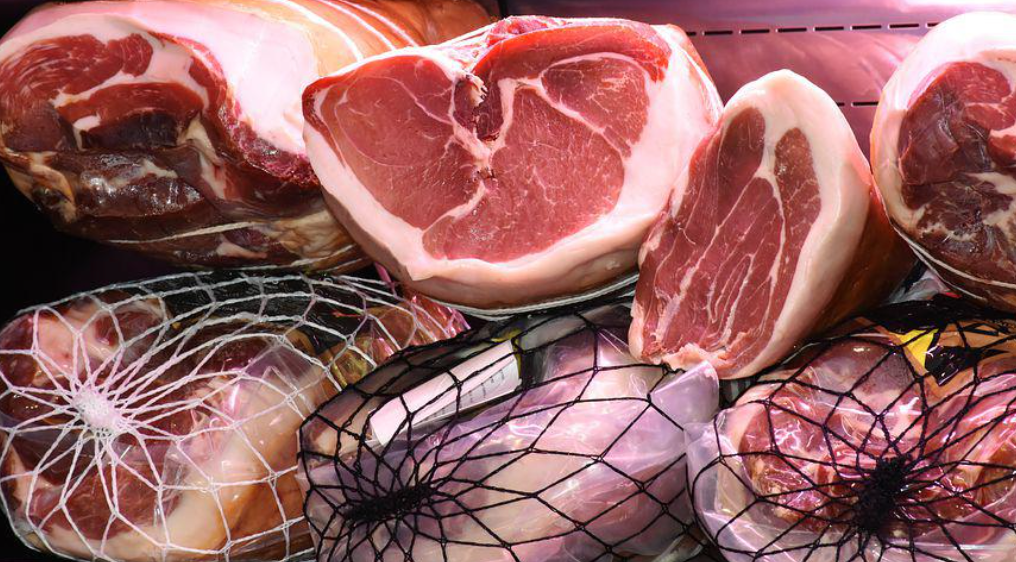
Food can act as a carrier for disease, so it is generally prohibited,
and in particular, fresh meat, fish and seaweed, certain dairy products, eggs, or processed egg products are
strictly banned foods, so please be careful.
People often ask what to do if the food in Canada doesn't suit their taste —
what should they do about it?
Since every major city in Canada has Korean grocery stores,
if you want Korean food or groceries,
we recommend visiting a Korean grocery store once you arrive.
2. Plants, Animals, and Related Products
Plants that could carry invasive species, or
live animals or other animal-related products are also difficult to bring in.
3. Firearms & Weapons
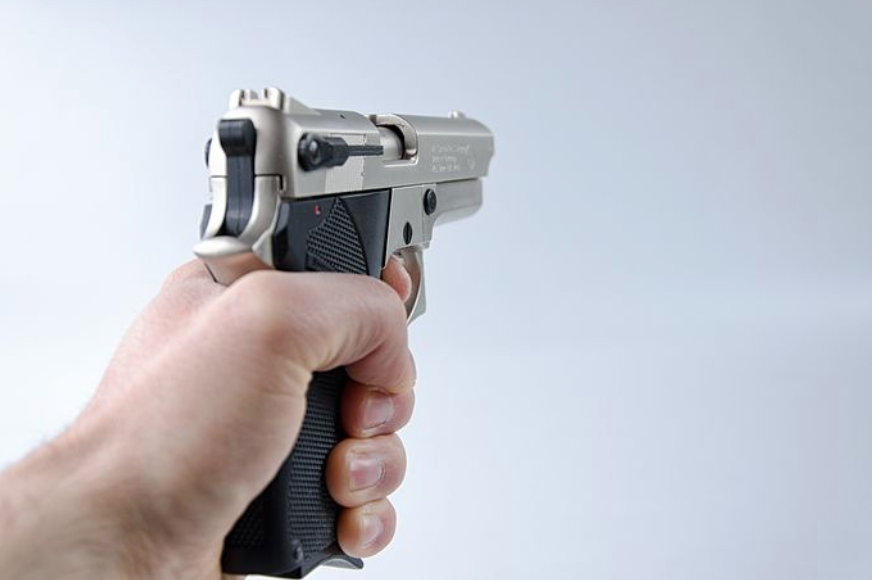
4. Explosives, Fireworks, Ammunition
5. Cannabis
6. Other Prohibited Items
- Baby walkers
- Infant self-feeding devices
- Jequirity beans and products containing them
- Long, pointed lawn darts
You probably won't be carrying items like 3, 4, or 5,
but item 6 is worth checking carefully.

Once you've finished packing, it's essential to double-check beforehand
which items are prohibited and which need to be declared at customs.
Now that the COVID-related restrictions have been lifted, you're probably preparing for your trip with excitement,
but it would be such a shame to be turned away over something basic you overlooked,
so please check everything carefully before you get ready to go :)
In today's post, we covered the items you need to declare at Canadian customs,
as well as items that are prohibited from entering the country.
On the AWork website, you can find information on overseas travel and
language study for Canada and many other countries.
If you have any questions after reading, please feel free to reach out using the contact details below at any time.
Curious about winter break overseas language programs?

Business Hours 10:00 - 19:00 (Closed weekends/holidays)
Email info@aworkacademy.com
Contact 1855-0631
Start Your Consultation Today
Our expert counselors will recommend the right school and program for you.
Free Consultation