Language Study Abroad | Big City or Small-to-Mid-Sized City — Which Should You Choose?
Hello, this is Awork Academy. When you're considering a working holiday or language study abroad, “Should I go to a famous big city? Or is a lesser-known s
Free Consultation3 min read / Published: 2026-03-11
Hello, this is Awork Academy.
When you're considering a working holiday or language study abroad,
“Should I go to a famous big city?
Or is a lesser-known small or mid-sized city better?”
many people find themselves torn.
Both options come with their own pros and cons.
This time, we'll explainthe differences between big cities and small-to-mid-sized citiesin an easy-to-understand way.
<Advantages of Big Cities>
① Jobs are easy to find
If you're hoping to do a working holiday or part-time job,
big cities offer plenty of job openings.
Since companies and stores are concentrated there,
Cafes
Restaurants
Convenience stores
Service industry
jobs like these tend to be easier to find.
② More chances to meet people
With a larger population,
local friends
students from other countries
there are more opportunities to meet them — that's another key feature.
③ Convenient transportation
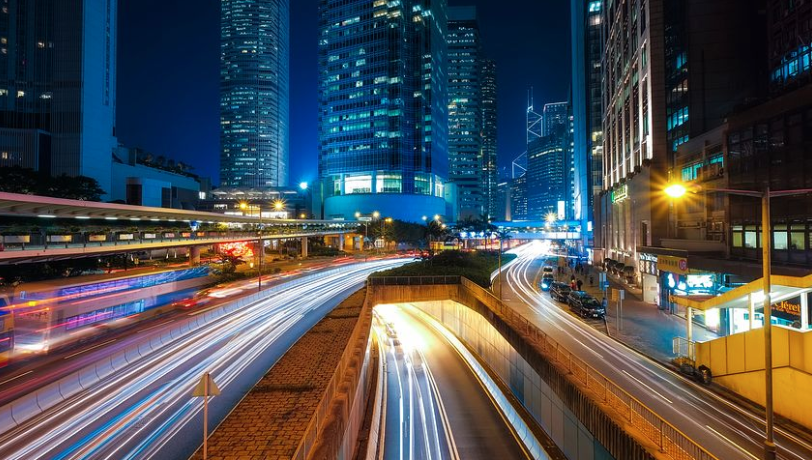
Since public transportation is well developed,
Buses
Subways
Trains
are easy to use, making it convenient to get around.
Since students generally don't own cars, convenient transportation becomes a major advantage.
④ More language schools
Language schools tend to be concentrated in popular areas.
Since there are also many Japanese students, it's an environment where it's easy to make Japanese friends.
< Disadvantages of Big Cities>
① High cost of living
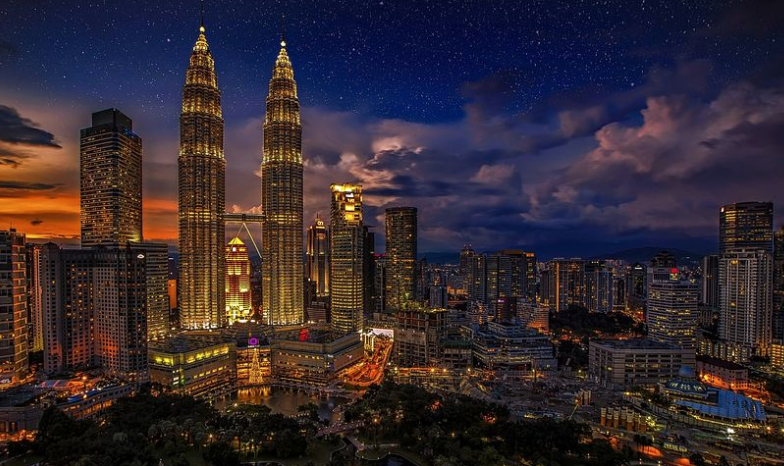
Rent in particular tends to be higher than in smaller cities.
Costs rise the closer you are to the city center, so it's important to check your budget carefully in advance.
② Noisy and crowded
With more people and heavier traffic, it can be stressful for those who prefer a quieter environment.
③ You may end up using Japanese more often

With more Japanese people around, there are also more chances to use Japanese.
That can be reassuring, but it may also reduce your opportunities to use English.
< Advantages of Small and Mid-Sized Cities>
① Your English improves faster

With fewer Japanese people around, you're left with no choice but to use English.
You naturally spend more time exposed to English.
② Lower cost of living
Rent in particular tends to be cheaper.
This is a big advantage if you want to keep your living costs down.
③ You can live a calmer life
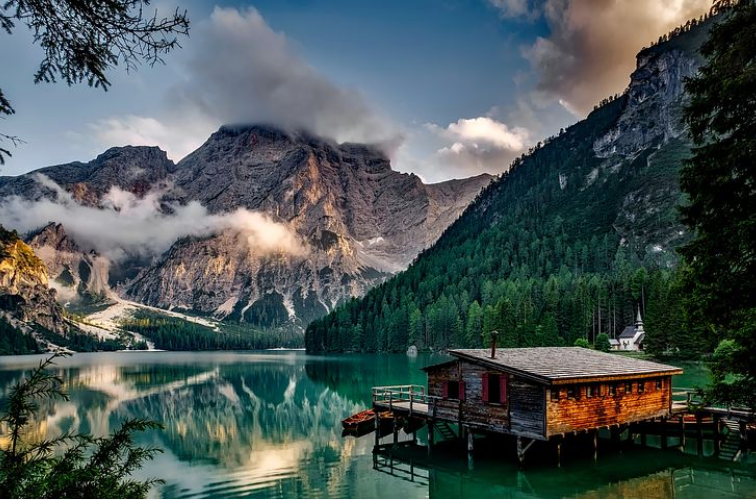
With a smaller population, you can live in a quiet environment.
This suits people who value a relaxed setting.
< Disadvantages of Small and Mid-Sized Cities >
① Less convenient transportation

Public transportation may run less frequently.
Getting around can also take more time.
② Fewer jobs
For a working holiday, having fewer job openings is a major downside.
Depending on the area, employers may also be less open to hiring foreigners.
③ Almost no Japanese people

While this is ideal for an English-speaking environment, it can also make homesickness more likely.
Summary
Big cities and small-to-mid-sized cities each have their own clear characteristics.
If you prioritize work and convenience → choose a big city.
If you prioritize an English-speaking environment and want to save money → choose a small or mid-sized city.
Being clear about what matters most to you when making your choice will help you pick a city you won't regret.
On Awork Academy's official website, we've organized information about working holidays and language study abroad by country, in an easy-to-understand way.
If you have any questions, feel free to reach out to us anytime.
Start Your Consultation Today
Our expert counselors will recommend the right school and program for you.
Free Consultation