How to Smartly Handle Exchange Rates and Currency Exchange!
Hello, this is Awork Academy. Once you've chosen a language school, submitted your application, and finished arranging your visa and flight tickets, the la
Free Consultation4 min read / Published: 2026-03-11
Hello, this is Awork Academy.
Once you've chosen a language school, submitted your application, and finished arranging your visa and flight tickets,
the last essential preparation is "currency exchange."
If you won't be opening a local bank account or getting a debit card, having local currency ready to use right after you arrive is essential. From large payments such as transportation from the airport to your accommodation, lodging fees, and homestay fees,
to small everyday expenses—
This time, we'll clearly introduce the "basics and tips of exchange rates and currency exchange" that you should know before studying a language abroad.
What Is an Exchange Rate? Check It Before You Exchange Money
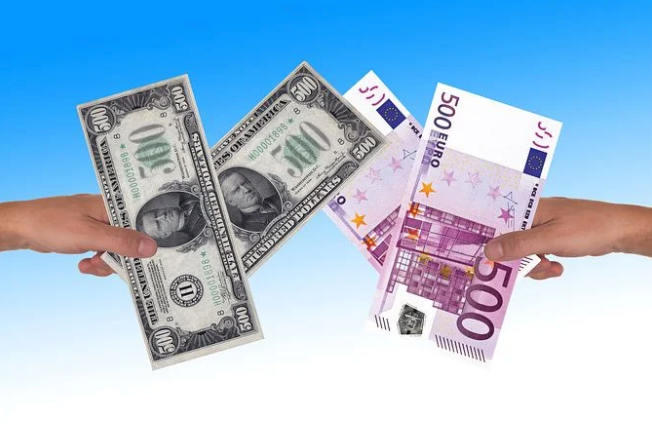
Before exchanging money, what you want to check is the exchange rate.
You can quickly check the current rate by searching "country name + currency + exchange/rate" on Google or Yahoo!.
Since the rates of major currencies such as the US dollar, euro, and Japanese yen are always fluctuating, it's important to check more than once.
In general, the lower the exchange rate, the cheaper you can exchange money, which works in favor of language students and working holiday users.
What Does a "90% Exchange Rate Preference" Mean?
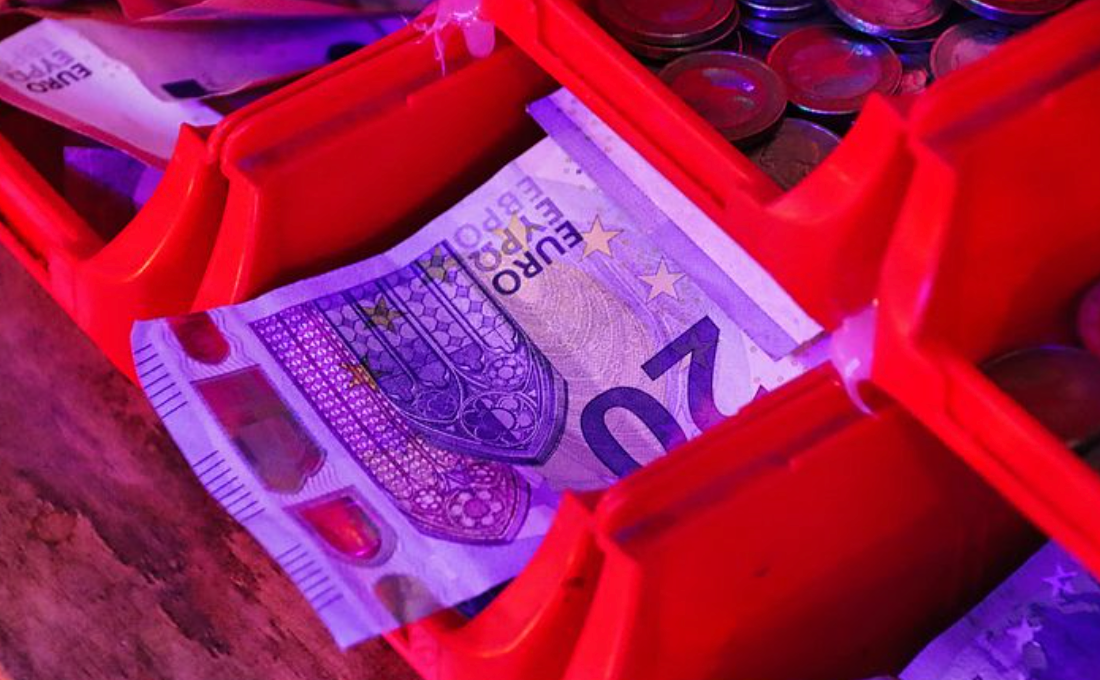
You'll often see the notation "Exchange Rate Preference ○%" at banks and currency exchange services.
This shows how much of a discount is applied to the fee charged when you exchange currency.
Example:
1 dollar = 1,000 yen
If the exchange fee is 5%
▶ No exchange rate preference
→ Pay 1 dollar = 1,050 yen
▶ 100% exchange rate preference
→ No fee → 1 dollar = 1,000 yen
▶ 90% exchange rate preference
→ 90% of the fee is discounted,
leaving only a very small fee in practice
In other words,
the higher the exchange rate preference, the lower the fee.
Recently,
by using a bank app
through a designated bank
and other means, there are more and more cases where you can get a high exchange rate preference.
Where Is the Best Place to Exchange Currency?
1. Exchange Currency Through a Bank App

Using a bank's official app is recommended,
since it often comes with an exchange rate preference of around 90%.
However,
the exchanged foreign currency can only be picked up at a designated counter
the pickup locations are mainly the bank's head office, Narita Airport, Haneda Airport, and similar places
so
be sure to check the instructions inside the app.
2. Use a Currency Exchange Counter
There are several foreign currency exchange counters around Tokyo Station. The counters around Tokyo Station are easy to access, making them convenient to stop by before departure.
However, exchange rates (fees) differ from shop to shop, and it's not always guaranteed that you'll get a "good rate." Generally, currency exchange counters within Japan can sometimes be better than bank counters or airports, but they aren't always the best option, so it's important to compare the actual rates before using one.
When exchanging currency, please also consider the following points:
Travel time and transportation costs
The possibility of waiting in line and busy time slots
The exchange rate and fees at each shop
Taking these into account, it's important to use whichever option balances time and cost.
Also Pay Attention to the Denomination of Bills
After paying your initial costs (accommodation fees, homestay fees, etc.),
you'll actually have surprisingly few opportunities to use large bills.
Also, overseas,
as a countermeasure against counterfeit bills,
small shops
often won't accept large bills.
For this reason, it's a good idea to
exchange a balanced mix centered on the denominations that are commonly used
as much as possible.
When exchanging money,
it's reassuring to say, "Please give me more small bills."
Summary | Currency Exchange Is Also an Important Step in Study Abroad Preparation
This time, we introduced the "exchange rate and currency exchange points" you should know before studying a language abroad.
Just preparing in advance can greatly reduce the anxiety and trouble you might face after arriving locally.
Awork Academy's official website features a lot of practical information about studying a language abroad.
If you have any questions, please feel free to contact us anytime.
Start Your Consultation Today
Our expert counselors will recommend the right school and program for you.
Free Consultation