Month-Long Stays and Language Study Abroad: Watch Out, the Time Can Suddenly Change!
Hello everyone, this is AWork Academy . At some point, the idea of a "month-long stay"— spending a month living in a city abroad or at home has become some
Free Consultation3 min read / Published: 2026-03-11
Hello everyone, this is AWork Academy.
At some point, the idea of a "month-long stay"—
spending a month living in a city abroad or at home
has become something of an unofficial trend.
Around the world, the place many people name as their dream country is probably
the United States or somewhere in Europe, I’d guess.
It’s also hugely popular as a destination for language study abroad,
and especially for language study abroad, rather than going for just a month or two,
people often go for six months to a year or more, so
you’ll want to pay special attention to ‘Summer Time.’
< What Is Summer Time? >
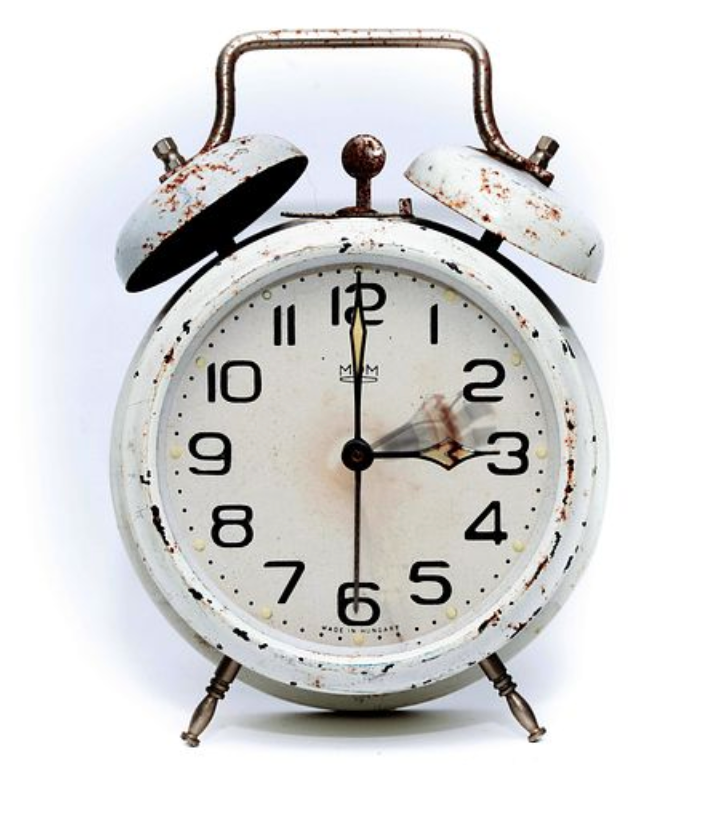
Summer time, ST or Daylight Saving Time (Daylight saving time, DST/DT) is what it’s called, and
in summer, a country’s standard clock is set
one hour ahead of the usual time for use.
"Summer time" is British English,
while "Daylight Saving Time" is the translated American English term.
So if you normally go to work at 9,
and you still go in at 9 as usual, in real time
that actually means going in at 8,
and going in at 10 becomes the same as going in at 9.
In effect, the system shifts your day about an hour earlier,
and your day begins accordingly.
< Why Did It Start? >
In summer the days are longer, so people start work earlier
and also save on lighting by going to bed early,
with claims that getting more sunlight has health benefits
it’s said to have begun this way.
It was first adopted in Germany during World War I,
and then spread to many other countries, they say.
Still, many countries don’t use it, finding it inconvenient.
< How Long Does It Last? >

In European countries, Summer Time begins on the last Sunday of March
each year, and ends on the last Sunday of October.
In the US and Canada, Summer Time begins on the second Sunday of March
each year, and ends on the first Sunday of November.
Korea itself once adopted Tokyo time as its standard time
and used it from 1954 to 1961, apparently.
Devices such as phones and laptops — electronic devices —
change their time automatically, but
wristwatches, desk clocks,
and wall-mounted analog clocks need their hands
adjusted manually — which is a hassle.
Also, when DTS starts or ends, if you move the clock forward by one hour
it’s called "Gain an hour" (gaining an hour); moving it back an hour
it’s called "Lose an hour" (losing an hour), apparently.
Currently, around 50 countries worldwide apply Summer Time, but
lately, there have been ongoing calls to abolish Summer Time, apparently.
The reasons include the previously claimed energy-saving effect
doesn’t really exist, and even though it’s just one hour,
it can disrupt the body’s rhythm, or, some argue, traffic accidents
increase — that’s the claim being made too, apparently.
There are also times when it causes confusion over appointments,
so it seems we’ll have to wait and see how things turn out.
Today we looked at Summer Time,
as practiced across Europe and the English-speaking world.
We hope this post helps you avoid being caught off guard
by a sudden time change while studying or traveling abroad!
Hope it helps :)
AWork Academy’s content also covers
plenty of other helpful information for language study abroad,
organized by country, so if you have any questions
feel free to check it out, or ask us anytime :)
And if you’re curious about winter-break language study programs abroad,

Business Hours 10:00 - 19:00 (closed weekends/holidays)
Email info@aworkacademy.com
Contact 1855-0631
Start Your Consultation Today
Our expert counselors will recommend the right school and program for you.
Free Consultation