Beginner's Guide ①: A Summary of Items Banned from Entering Canada
Hello, this is Awork Academy. In our previous post, we let you know that the COVID-19 related restrictions that had been in place when entering Canada have
Free Consultation3 min read / Published: 2026-03-11

Hello, this is Awork Academy.
In our previous post, we let you know that the COVID-19 related restrictions that had been in place when entering Canada have been fully lifted.
With this long-awaited opportunity, more and more people seem to be planning trips to Canada for various purposes, including overseas travel and language study abroad.
So this time, we'd like to introduce the "items that must be declared to customs" and "items prohibited from entry" that you should definitely know before departing for Canada.
Items That Must Be Declared to Customs When Entering Canada
If you are carrying any of the following, be sure to declare them at customs.
If undeclared items are discovered, you may be fined 1,300 Canadian dollars or more.
1. Alcohol
In Canada, as long as you meet the legal age set by each province or territory,
you are allowed to bring in alcohol within the following limits.
Maximum amount per adult (only one type)
- Wine: 1.5 liters
- Other liquor: 1.14 liters
- Beer/ale: 8.5 liters
*You may bring in only one of the above types.
2. Tobacco

Here too, you may choose only one type.
- Cigarettes: 200
- Cigars: 50
- Cut tobacco: 200g
- Heated tobacco sticks: 200
3. Cash and Securities
Declaration is required if you are carrying 10,000 Canadian dollars or more.
4. Expensive Gifts
Gifts exceeding 60 Canadian dollars are subject to declaration.*Please note that alcohol, tobacco, and advertising samples are not treated as gifts.
Items Prohibited from Entering Canada
1. Food Items
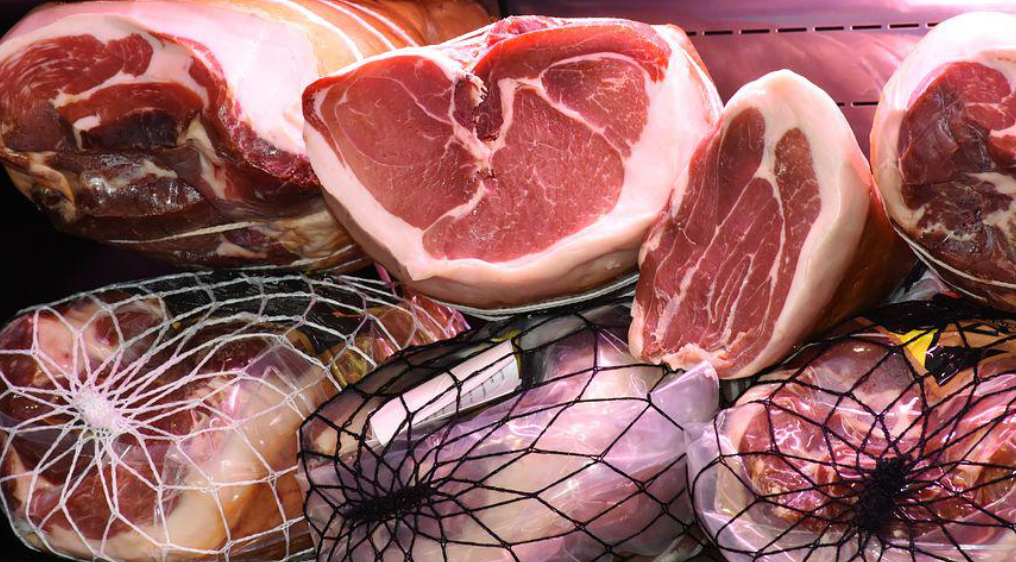
Food items are strictly restricted because they may carry in pathogens or pests.
The following foods in particular require caution.
- Raw and processed meat
- Raw fish, seafood, and seaweed
- Some dairy products
- Eggs and egg products
Many people ask, "What if the local food doesn't suit my taste?" — but rest assured, major cities in Canada always have Korean and other Asian supermarkets.
If you need Japanese or other Asian ingredients, we recommend shopping at a local supermarket after you arrive.
2. Plants, Animals, and Related Products
- Plants that could introduce invasive species
- Live animals
- Animal-derived products
These are generally not allowed to be brought in.
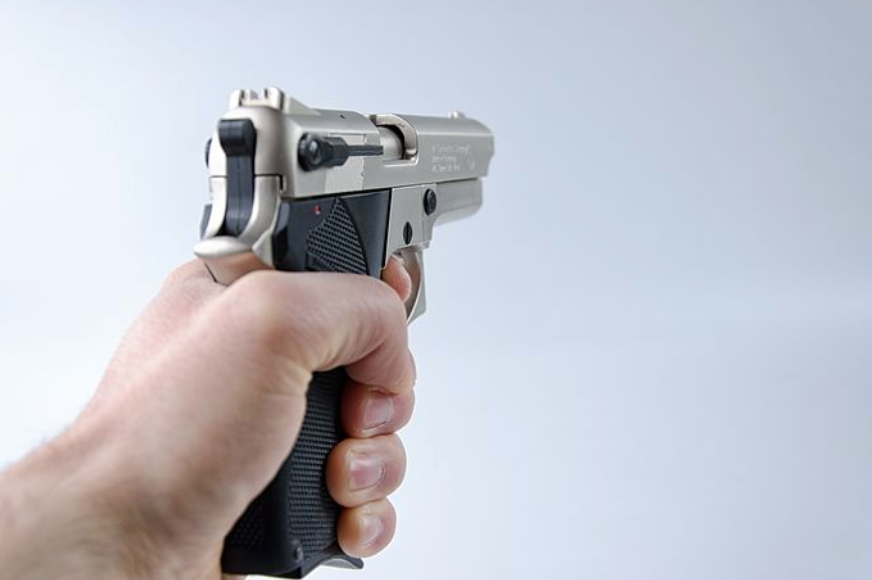
3. Firearms and Weapons
4. Explosives, Fireworks, and Ammunition
5. Cannabis
6. Other Prohibited Items (Examples)
- Baby walkers
- Automatic feeders (for infants)
- Jequirity beans and products containing their ingredients
- Long-tipped lawn darts
*Items 3 through 5 are not something you would normally bring,
but item 6 is easy to overlook, so be sure to check in advance.

Summary|Be Sure to Check Before Entering Canada
This time, we introduced the items subject to customs declaration and the items prohibited from entering Canada.
On Awork Academy's official website, we have posted a wealth of up-to-date information on overseas travel and language study abroad, including Canada.
If you have any questions, please feel free to contact us.

Start Your Consultation Today
Our expert counselors will recommend the right school and program for you.
Free Consultation