Points to Note for Short-Term Stays and Language Study Abroad | Is It True That Schedules Can Suddenly Change?
Hello, this is Awork Academy. In recent years, "living for a month" (a short-term stay) has become a popular trend, with more and more people trying out li
Free Consultation3 min read / Published: 2026-03-11
Hello, this is Awork Academy.
In recent years, "living for a month" (a short-term stay) has become a popular trend, with more and more people trying out living in cities at home and abroad for a set period of time.
Among these, the US and Europe are probably the most popular worldwide.
They're also extremely popular as language study destinations.
Language study abroad often turns into a long-term stay of 6 months to a year or more rather than a short 1-2 month trip, so one thing you'll definitely want to know about is "Summer Time (Daylight Saving Time)."
< What Is Summer Time? >
Summer Time is a system in which clocks are set forward by one hour during the summer months.
In English it's called
- Summer Time (ST)
- Daylight Saving Time (DST)
and so on, and in Japanese it's also referred to as "natsu-jikan" (summer time) or "nikkou setsuyaku jikan" (daylight-saving time).
For example, if Summer Time begins at a workplace where you normally start at 9am, it will feel like you're starting work at 8am.
In other words, the whole day effectively starts an hour earlier under this system.
< Why Did Summer Time Start? >
Summer Time was introduced based on ideas such as:
- Summer days have longer daylight hours
- Starting activities earlier can reduce the use of lighting
- Getting more sunlight can help promote better health
These were the ideas behind its creation.
Historically, it was first adopted in Germany during World War I, and is said to have spread to other countries after that.
On the other hand, many countries have chosen not to adopt it for reasons such as "disrupted daily rhythm" and "inconvenience."
< When Is Summer Time Observed? >
Europe
- Begins on the last Sunday of March
- Ends on the last Sunday of October
United States & Canada
- Begins on the second Sunday of March
- Ends on the first Sunday of November
By the way, Japan also had a period when it observed Summer Time, between 1954 and 1961.
< Things to Watch Out for During Summer Time >
Electronic devices such as smartphones and computers switch the time automatically, so there's nothing to worry about there.
However, items such as
- Wristwatches
- Table clocks
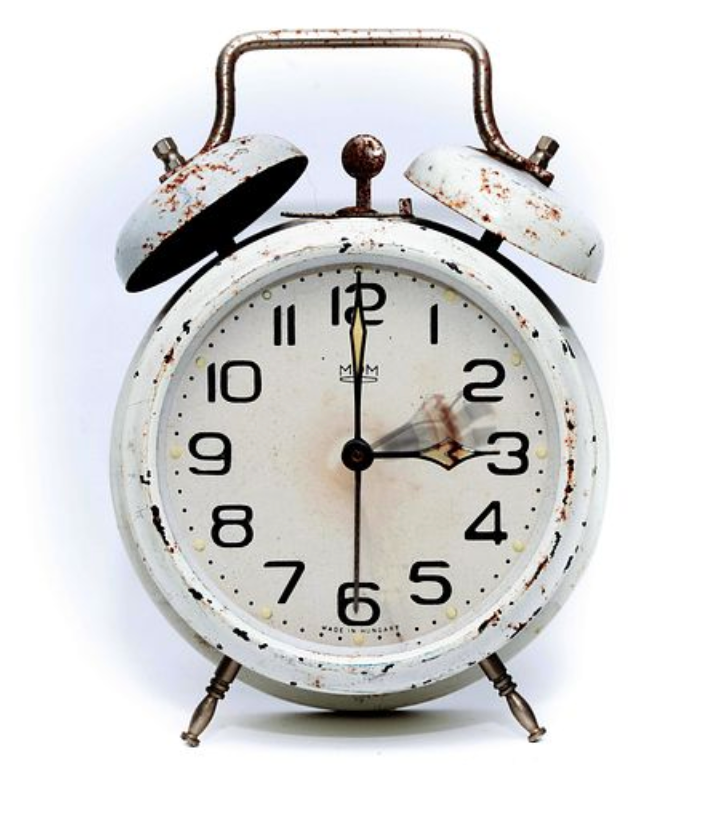
- Wall clocks (analog)
will need to be adjusted manually.
Also, in English,
- Moving the clock forward an hour → "gain an hour"
- Moving the clock back an hour → "lose an hour"
are expressions you might come across.
< Will Summer Time Disappear in the Future? >
Currently, Summer Time is observed in around 50 countries worldwide, but in recent years there has also been a movement to consider abolishing it.
Reasons cited include:
- Limited energy-saving effect
- It tends to disrupt the body's internal rhythm
- Possible increase in traffic accidents
- Meetings and schedules can become confusing
These are some of the points that have been raised.
As for what happens next, it looks like we'll need to keep an eye on how each country decides to proceed.
Summary | Check Summer Time Before You Study Abroad or Travel
This time, we introduced Summer Time as observed in Europe and English-speaking countries.
So you're not caught off guard thinking, "Wait, the time suddenly changed!" during your language study abroad or overseas trip, it's important to check this in advance.
At Awork Academy, we've put together helpful language study abroad information by country in an easy-to-understand way.
If you have any questions, please feel free to reach out to us anytime.
Start Your Consultation Today
Our expert counselors will recommend the right school and program for you.
Free Consultation