Language Study Abroad: The Surprisingly Tough Parts
Hello, this is Awork Academy. When we ask friends who have experienced language study abroad, "What was the hardest part of studying a language abroad?" th
Free Consultation3 min read / Published: 2026-03-11
Hello, this is Awork Academy.
When we ask friends who have experienced language study abroad, "What was the hardest part of studying a language abroad?"
the answers vary from person to person, but a common one is "the food was tough".
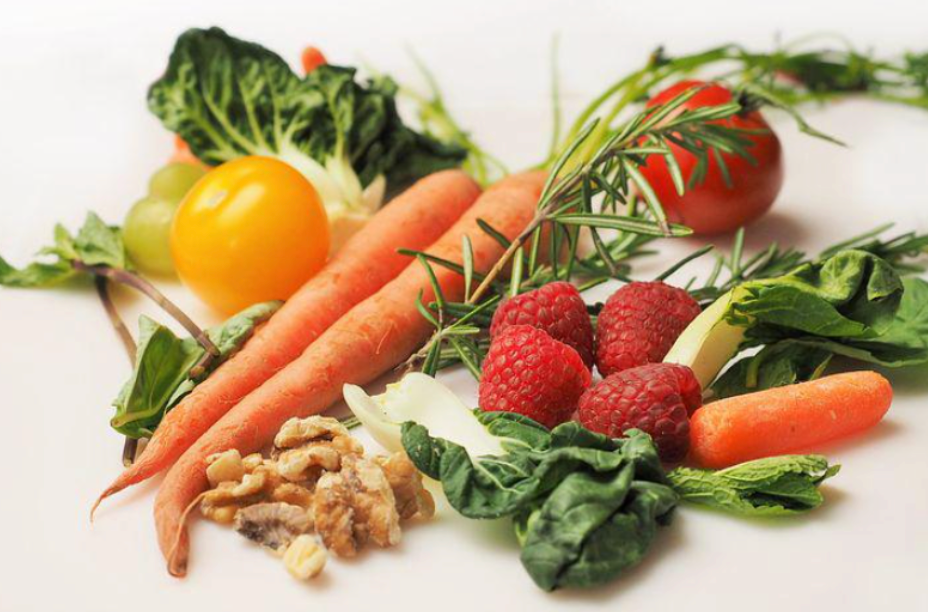
When you watch American dramas, you see all sorts of delicious-looking pizza, burgers, steaks, and pasta,
along with plenty of sweet cakes and desserts, don't you?
Some of you might think, "Then there shouldn't be a problem, right?"
It's true that for the first week to a month or so, new and high-calorie meals can even feel enjoyable.
However, once it becomes a language study abroad lasting 6 months to a year or more, the greasy meals continue, and not only do you start missing light Japanese food or home-cooked meals, but quite a few people also notice they've gained weight.
Getting used to a new environment is already hard enough, so having food worries on top of that is really tough.
So this time, we'll introduce ways to cope when you feel that "the food doesn't agree with you" during a language study abroad.
Dealing with Food During Language Study Abroad
① Make active use of Korean and Japanese supermarkets
Unless it's a small town in the countryside, many language study abroad students choose a capital city or major city as their destination.
Because Japanese and Korean people study abroad or stay long-term all over the world,
many cities have Asian supermarkets (Japanese and Korean supermarkets).
In the US, for example,
there are large Korean supermarkets where you can buy plenty of Japanese and Asian ingredients.
Japanese seasonings
Frozen foods
Ingredients that are easy to cook
and other things are available, so
just incorporating cooking for yourself even for one meal a day can make your diet much easier.
② Bring some Japanese ingredients with you
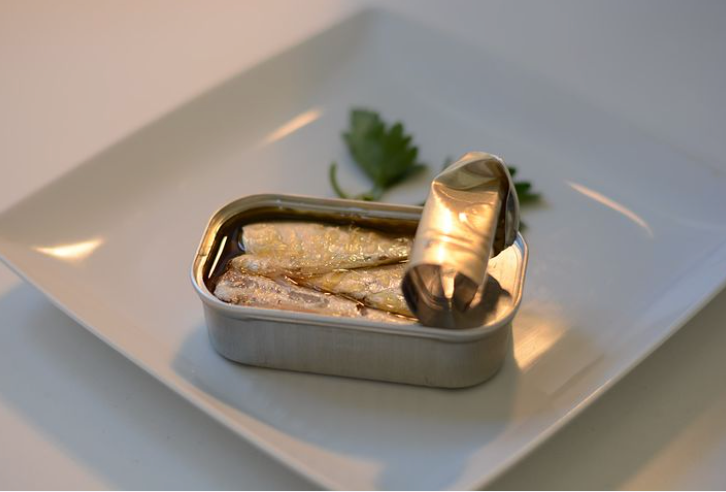
Before departure, we also recommend bringing a small amount of Japanese ingredients with you.
The key points are,
Items with a long shelf life
Items unlikely to get caught at quarantine
For example,
Retort-pack rice
Retort-pack soup / miso soup
Canned food
Tube-type seasonings (miso, gochujang, etc.)
Since you'll have plenty of other luggage, it's hard to bring a large amount, but
bringing just a few essential items that you "can't do without" can be a great source of reassurance.
③ Make use of "care packages" from family and friends
If you don't have room in your suitcase,
or if you've used up all the ingredients you brought with you,
there's also the option of having them shipped to you internationally from Japan.
Family
Close friends
You could ask them
to mail you the things you need — that's one option.
However,
since import and shipping regulations differ by country, be sure to check the rules in advance before arranging anything.
Summary|A little food strategy makes study abroad life much more comfortable
This time,
we introduced ways to cope when you feel that "the food doesn't agree with you" during a language study abroad.
Just knowing this in advance
can greatly reduce the stress of study abroad life.
On Awork Academy's official website,
we also share plenty of other useful information for language study abroad life.
If you have any questions, please feel free to contact us anytime.
Start Your Consultation Today
Our expert counselors will recommend the right school and program for you.
Free Consultation