Handy to Know! Tips for Beating Jet Lag
Hello, this is Awork Academy. Recently, entry restrictions due to COVID have been significantly relaxed, and since it's also winter break season, more and
Free Consultation3 min read / Published: 2026-03-11
Hello, this is Awork Academy.
Recently, entry restrictions due to COVID have been significantly relaxed, and since it's also winter break season, more and more people are preparing for overseas trips and long-term language study abroad.
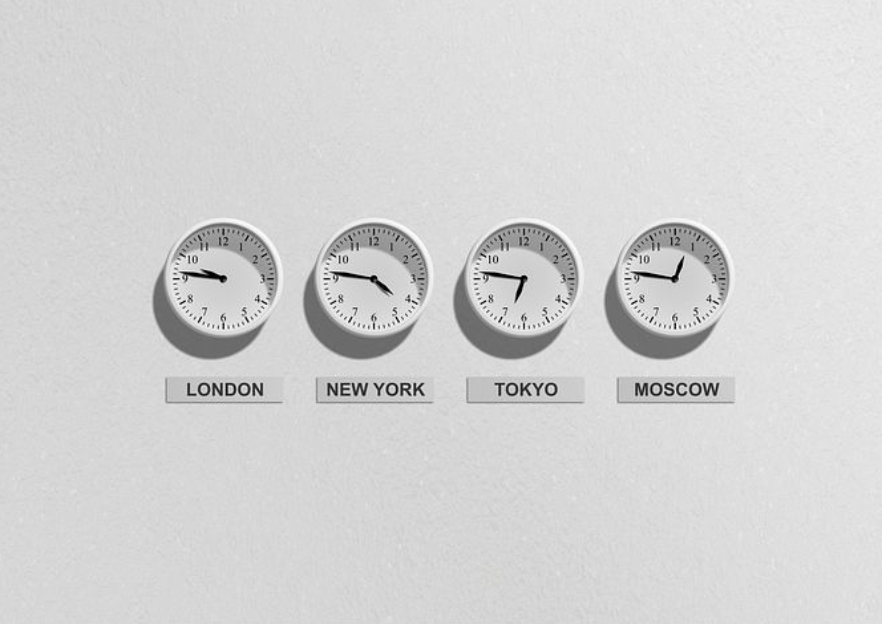
If you're traveling to a nearby country, it's not usually a big issue, but if you're heading to an English-speaking region popular for language study abroad — such as the US, Canada, or the UK — everyone experiences jet lag (time difference syndrome) at least once.
English-speaking countries have a large time difference from Japan,
so this is an unavoidable point to consider when studying a language abroad.
This time, we'll clearly explain the causes of jet lag that occur overseas and effective ways to deal with it.
< What Causes Jet Lag? >

When you move to a time zone that's very different from your usual living schedule, your body clock can't adjust right away, which leads to physical discomfort. This is called jet lag (time difference syndrome).
In Europe and North America, the time difference from Japan is often 10 hours or more, so by the time you arrive, day and night are essentially reversed. It takes several days for your body to adjust to the new time zone, and jet lag symptoms appear during that period.
< Main Symptoms of Jet Lag >
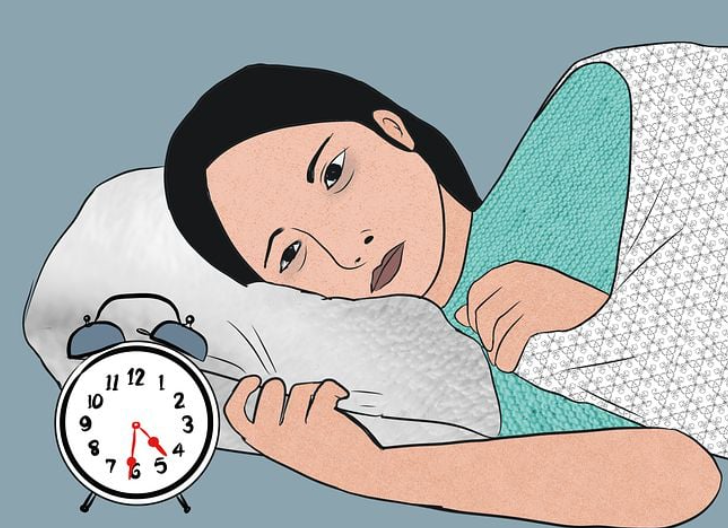
The typical symptoms are as follows.
Sleep disturbances (unable to sleep, waking up early in the morning)
Upset stomach
Strong fatigue
Reduced concentration and memory
Headaches and stomachaches
On top of that, fatigue from the long flight itself can add up, and you may not be able to move around as freely as you'd like right after arrival.
< Key Points for Beating Jet Lag >
① Adjust to Local Time Before You Depart
Before boarding your flight, set your smartphone or watch to your destination's local time. This makes it easier to mentally shift into the new time zone.
② Be Mindful of the Local Daily Rhythm During the Flight
Try to sleep as much as possible if it's nighttime at your destination, and stay awake if it's daytime there — adjust how you spend your time on the plane accordingly.
③ Stay Well Hydrated
On the plane, it's important to go easy on alcohol and coffee and drink water frequently instead.
Getting enough fluids is also effective for managing your overall condition.
④ Stay Active After Arrival, As Much As Possible
If you arrive during the daytime, instead of going straight to sleep, try moving your body a bit — like taking a light walk — which will help you sleep more easily that night.
■ Conclusion
This time, we covered the causes of jet lag that commonly occur during language study abroad, as well as ways to deal with it.
These are all basic tips, but simply being mindful of them can make a big difference in how your body handles the change.
To start your study abroad life in the best possible condition, please use this as a reference.
On the Awork Academy official website, we've organized easy-to-understand information about working holidays and language study abroad by country.
If you have any questions, please feel free to reach out to us anytime.
Start Your Consultation Today
Our expert counselors will recommend the right school and program for you.
Free Consultation